
Pink can be surprisingly easy to style once you know which colors balance its undertone and intensity. If you’re wondering what color complements pink, the simplest answer is green, but the best match can change depending on whether you’re working with blush, rose pink, hot pink, dusty pink, or another shade.
I’ve put together this guide to make those choices easier. You’ll find colors that work with pink clothes, shirts, hair, and walls, along with combinations for pink and purple, pink and yellow, pink and blue, and pink and green.
The goal isn’t to give you one strict rule. Pink can look soft, elegant, playful, dramatic, or modern depending on what you pair with it. The right combination usually comes down to the shade of pink, the amount of contrast you want, and whether you’re styling an outfit, room, or personal look.
What Color Complements Pink?
On a traditional color wheel, green sits opposite red, and pink is essentially a lighter variation of red. That’s why green is often considered the complementary color family for pink. However, you don’t have to use bright green every time.
Softer pinks usually look beautiful with muted greens, while stronger pinks can handle deeper or more saturated greens. Neutrals such as white, cream, beige, gray, black, and brown aren’t technically complementary colors, but they can make pink much easier to wear or decorate with.
Here are 10 useful colors and color families to consider:
- Sage green: A soft, muted green creates a calm contrast with blush and light pink.
- Olive green: Earthy olive gives pink a more grounded and casual appearance.
- Emerald green: Deep emerald creates strong contrast with medium and bright pink.
- Forest green: Dark green works particularly well when you want pink to stand out.
- White: White keeps pink looking fresh, clean, and light.
- Cream: Cream is warmer than white and pairs beautifully with soft pink.
- Gray: Cool or medium gray can tone down an intense pink without making it dull.
- Navy blue: Navy provides deep contrast while remaining more refined than black.
- Brown: Chocolate, tan, and warm brown shades can make pink feel earthy and sophisticated.
- Black: Black creates the strongest neutral contrast and works especially well with hot pink.
The important detail is that “complementary” doesn’t always mean “best.” A true color-wheel opposite can create strong contrast, while a nearby or neutral color may create a softer and more wearable result.
What Colours Go With Pink Clothes?

Pink clothes can work with far more colors than you might expect. The best choice depends on the shade of pink and the look you’re trying to create. A pale pink blouse, for example, can look completely different with cream than it does with black.
For everyday outfits, neutrals are usually the easiest starting point. If you want more contrast, try green, navy, burgundy, or a deeper shade from another color family.
Here are 10 combinations that work well with pink clothing:
- Pink and white: A simple combination that feels clean, bright, and effortless. It’s especially useful for spring and summer outfits.
- Pink and cream: Choose cream when you want something softer and warmer than white.
- Pink and beige: Beige creates a relaxed, understated look and works particularly well with dusty or rose pink.
- Pink and gray: Gray balances pink without competing with it. Light gray suits pale pink, while charcoal can handle brighter shades.
- Pink and navy: Navy gives pink a polished contrast and works well for shirts, trousers, jackets, and accessories.
- Pink and denim blue: Blue jeans are one of the easiest ways to wear a pink top casually.
- Pink and olive: Olive green gives pink a relaxed, slightly earthy appearance.
- Pink and emerald: This creates a much stronger contrast and works well when you want the pink to be noticeable.
- Pink and brown: Warm brown can make pink feel more mature and less sugary.
- Pink and black: Black works particularly well with hot pink, magenta, and other saturated pinks.
What Color Goes With Pink for a Girl?
There isn’t one color that pink “should” be paired with for a girl. Personal style matters more than gender. If you’re styling a pink outfit, white, cream, denim blue, lavender, green, gray, brown, and black can all work depending on the shade.
For a soft look, try light pink with cream, white, lavender, or baby blue. For something more noticeable, combine hot pink with black, emerald, navy, or deep purple.
What Color Complements a Pink Shirt?
A pink shirt is easy to style because the shirt itself can be the focal point. White, cream, gray, navy, denim, beige, black, olive, and brown are all practical choices.
If your shirt is light pink, try darker bottoms for contrast. If it’s hot pink, neutral bottoms can keep the outfit from becoming visually overwhelming.
What Color Complements Light Pink?
Light pink has a soft appearance, so it can work with both other pastel colors and darker shades. The choice depends on whether you want the outfit or room to feel delicate or more contrasted.
Here are 10 colors that pair especially well with light pink:
- White: Keeps the combination airy and minimal.
- Cream: Adds warmth while maintaining the softness of light pink.
- Beige: Creates a neutral, understated palette.
- Sage green: Gives light pink a natural contrast without looking harsh.
- Mint green: Works well for a fresh pastel color scheme.
- Baby blue: Creates a gentle, cool-toned combination.
- Lavender: Keeps the palette soft while adding another pastel hue.
- Navy blue: Adds depth and prevents the combination from feeling too pale.
- Charcoal gray: Creates a more sophisticated contrast with light pink.
- Chocolate brown: Adds warmth and gives pale pink a grounded appearance.
If you’re decorating with light pink, consider using it as an accent rather than covering an entire space in the color. Cream walls, natural wood, soft gray furniture, or green accents can help the pink feel balanced.
What Colours Go With Rose Pink Clothes?
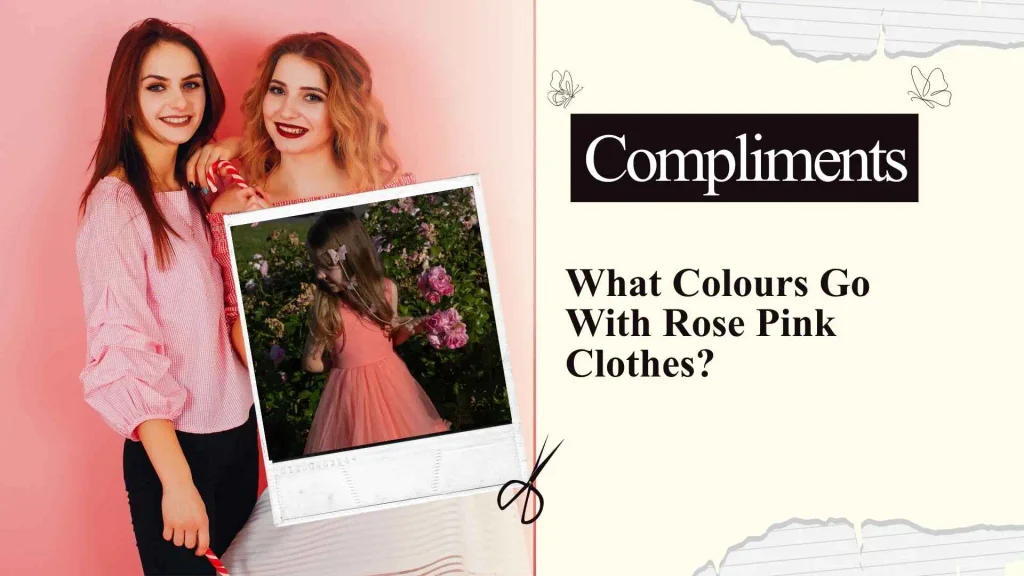
Rose pink generally has more depth than pale blush pink, so it can handle richer colors. Depending on the exact rose shade, it can lean warm, cool, muted, or fairly vibrant.
These 10 combinations can help you style rose pink:
- Rose pink and cream: A warm, elegant pairing that works well for dresses, blouses, and accessories.
- Rose pink and ivory: Ivory gives the outfit a softer contrast than bright white.
- Rose pink and camel: Camel adds an earthy neutral that works especially well for coats and trousers.
- Rose pink and chocolate brown: The darker brown gives rose pink more visual weight.
- Rose pink and navy: Navy makes rose pink look polished without being as severe as black.
- Rose pink and forest green: A deeper green creates noticeable complementary contrast.
- Rose pink and olive: Olive creates a muted, everyday combination.
- Rose pink and burgundy: These colors create a rich, warm palette when their undertones work together.
- Rose pink and charcoal: Charcoal gives the outfit a modern, understated edge.
- Rose pink and denim: Denim makes rose pink easier to wear casually and keeps the outfit relaxed.
A useful trick is to avoid matching every piece too closely. If you’re wearing a rose pink top, for example, a neutral bottom and one small accessory in a contrasting color can look more balanced than several competing colors.
What Color Complements Hot Pink?
Hot pink is intense, so the best pairing depends on whether you want to soften it or emphasize it. Neutrals make it easier to wear, while strong greens and blues create a more dramatic color combination.
Here are 10 options for hot pink:
- Black: Creates sharp, high contrast and lets the hot pink become the focal point.
- White: Makes hot pink feel brighter and cleaner.
- Cream: Softens the contrast and gives hot pink a warmer partner.
- Navy: Adds depth without the starkness of black.
- Emerald green: Creates a bold contrast with strong visual impact.
- Forest green: Gives hot pink a deeper, more grounded partner.
- Cobalt blue: Creates an energetic, high-contrast color combination.
- Denim blue: Makes hot pink more casual and wearable.
- Gray: Reduces the intensity of hot pink without completely muting it.
- Chocolate brown: Adds warmth and creates an unexpected but balanced pairing.
If you’re wearing hot pink, you usually don’t need several other bright colors at once. A hot pink piece with black shoes and a neutral bag, for example, can look much more balanced than an outfit filled with multiple saturated shades.
What Color Complements Pink Hair?
Pink hair gives you more freedom than traditional clothing because your hair color can act as the main statement color. The best clothing or makeup colors depend heavily on whether the hair is pastel pink, rose pink, magenta, or hot pink.
Here are 10 colors to consider with pink hair:
- Black: Provides a strong neutral background that makes pink hair stand out.
- White: Creates a crisp contrast, particularly with brighter pink hair.
- Gray: A softer neutral that can keep the overall look balanced.
- Charcoal: Gives bright pink hair a darker, more dramatic background.
- Navy: Adds color without competing as strongly as another bright shade might.
- Cream: Works especially well with pastel or dusty pink hair.
- Beige: Creates a softer, understated combination.
- Sage green: Adds muted contrast without overwhelming the hair color.
- Olive green: Gives pink hair an earthy color partner.
- Denim blue: An easy casual choice that works with many shades of pink hair.
With pastel pink hair, softer neutrals and muted colors often create a cohesive look. With vivid pink or magenta hair, darker neutrals can provide enough contrast to keep the overall appearance from becoming too busy.
What Color Complements Pink and Purple?
Pink and purple are closely related colors, so they can create a harmonious combination rather than a strong complementary contrast. The trick is to vary their intensity or add a neutral so the colors don’t visually compete.
Here are 10 ways to work with pink and purple:
- Pink and lavender: A soft, coordinated palette that works well with light pink.
- Pink and lilac: Keeps the combination gentle and pastel.
- Pink and deep purple: Adds stronger contrast while keeping the colors related.
- Pink and plum: Gives the palette a richer, more sophisticated appearance.
- Pink and mauve: Works particularly well when both colors are muted.
- Pink, purple, and white: White gives the two colors breathing room.
- Pink, purple, and cream: Cream creates a warmer version of the same idea.
- Pink, purple, and gray: Gray tones down the overall palette.
- Pink, purple, and navy: Navy adds depth without introducing a completely unrelated bright color.
- Pink, purple, and green: Green introduces the complementary contrast that pink and purple lack on their own.
If you’re combining pink and purple in an outfit, try using one as the main color and the other as an accent. That usually creates a cleaner result than giving both colors equal visual weight.
What Color Complements Pink and Green?
Pink and green are the most obvious complementary relationship in this guide because pink belongs to the red color family while green sits opposite red on the traditional color wheel.
That doesn’t mean every pink and every green will look perfect together. The shades matter.
Here are 10 combinations worth trying:
- Blush pink and sage green: Soft, calm, and easy on the eyes.
- Light pink and mint green: Fresh and pastel without being overly strong.
- Rose pink and olive green: More earthy and understated.
- Dusty pink and eucalyptus green: A muted combination with a natural feel.
- Hot pink and emerald green: Bold and high contrast.
- Hot pink and forest green: Deep green provides a strong visual anchor.
- Pink and moss green: Earthy and less formal than emerald.
- Pink and seafoam green: Light and refreshing.
- Pink and dark green: Useful when you want the pink to stand out.
- Pink, green, and cream: Cream can soften the contrast and tie the two colors together.
For a room, pink and green can be especially effective when one color is dominant and the other appears through smaller accents. For an outfit, the same principle can work through a pink top, green accessory, or green outer layer.
What Color Complements Pink and Yellow?

Pink and yellow can create a cheerful combination because both can be bright and energetic. The main challenge is preventing the colors from becoming too intense at the same time.
Here are 10 combinations:
- Blush pink and pale yellow: Soft and gentle.
- Light pink and butter yellow: Warm without being overly saturated.
- Rose pink and mustard: Adds an earthy depth.
- Dusty pink and muted yellow: More subtle than using two bright shades.
- Hot pink and lemon yellow: Bold and playful.
- Hot pink and mustard: Creates a stronger, warmer contrast.
- Pink and golden yellow: Adds richness to the palette.
- Pink, yellow, and white: White helps separate the brighter colors.
- Pink, yellow, and cream: Creates a warmer, softer version.
- Pink, yellow, and navy: Navy can anchor a bright pink-and-yellow combination.
If you’re unsure about the pairing, start with a neutral base. For example, a pink shirt, yellow accessory, and white or denim bottom is easier to balance than wearing large blocks of both bright colors.
What Color Complements Pink and Blue?
Pink and blue can work together across a surprisingly wide range of styles. Light pink with pale blue creates a soft palette, while hot pink with cobalt or navy produces much stronger contrast.
Here are 10 useful combinations:
- Light pink and baby blue: Soft and delicate.
- Blush pink and powder blue: Gentle and understated.
- Rose pink and denim blue: Casual and easy to wear.
- Pink and navy: Polished and versatile.
- Hot pink and cobalt blue: Bright and energetic.
- Hot pink and royal blue: Strong contrast with a vivid appearance.
- Dusty pink and slate blue: Muted and sophisticated.
- Pink and teal: More vibrant while still giving a clear contrast.
- Pink and sky blue: Light and refreshing.
- Pink, blue, and white: A clean three-color combination that works for clothing and interiors.
For everyday clothing, denim is probably one of the easiest blue options because it naturally tones down the intensity of pink.
What Color Complements Pink Walls?
Pink walls can be styled in many different ways because the wall shade establishes the main color temperature of the room. A pale blush wall has different needs from a saturated pink wall.
Before choosing furniture or accessories, look at whether your pink is warm, cool, dusty, muted, or bright.
Here are 10 colors that can work with pink walls:
- White: Keeps the room bright and gives the pink a clean frame.
- Cream: Creates a warmer and softer atmosphere.
- Beige: Helps create a neutral, comfortable backdrop.
- Light gray: Balances soft pink without adding another strong color.
- Charcoal: Provides deeper contrast for pale or medium pink walls.
- Sage green: Adds a natural complementary contrast.
- Olive green: Works particularly well with dusty or muted pink.
- Navy blue: Gives the room depth and works well with lighter pink.
- Natural wood tones: Warm wood can prevent pink from feeling overly cool or flat.
- Deep brown: Adds warmth and grounding, especially when used through furniture or smaller accents.
If the walls are already strongly pink, you don’t necessarily need more pink throughout the room. Neutral furniture, natural textures, green plants, wood, or darker accent pieces can create enough variation.
How to Choose the Right Color for Your Shade of Pink
The easiest way to choose a matching color is to identify three things: the pink’s intensity, its undertone, and the amount of contrast you want.
For Light Pink
Choose soft neutrals and muted colors when you want a gentle appearance.
Good options include:
- White
- Cream
- Beige
- Sage green
- Mint
- Baby blue
- Lavender
- Light gray
For more contrast, use navy, charcoal, forest green, or chocolate brown.
For Rose or Dusty Pink
Rose and dusty pink can handle both warm and cool colors.
Try:
- Cream
- Camel
- Brown
- Olive
- Forest green
- Navy
- Charcoal
- Denim
For Hot Pink
Hot pink works particularly well with colors that either ground it or deliberately contrast with it.
Try:
- Black
- White
- Navy
- Emerald green
- Forest green
- Gray
- Denim
- Cobalt blue
For Pink With Warm Undertones
Warm pinks can work well with:
- Cream
- Camel
- Tan
- Brown
- Olive
- Mustard
- Warm beige
For Pink With Cool Undertones
Cool pinks often pair naturally with:
- White
- Gray
- Navy
- Blue
- Lavender
- Cool green
- Silver-gray neutrals
The easiest approach is to start with one main pink shade and choose one supporting color. Add a neutral only if you need to calm the combination down.
Pink Color Combinations at a Glance
| Pink Shade | Softer Pairings | Stronger Contrast |
| Light Pink | White, cream, sage | Navy, forest green |
| Blush Pink | Beige, ivory, mint | Olive, charcoal |
| Rose Pink | Cream, camel, denim | Forest green, navy |
| Dusty Pink | Gray, taupe, olive | Deep green, brown |
| Hot Pink | White, gray, denim | Emerald, black, cobalt |
| Magenta Pink | Black, white, navy | Green, emerald, yellow |
This makes one thing clear: there isn’t a single universal answer to what color complements pink. The shade of pink changes the best combination.
Common Mistakes When Pairing Pink With Other Colors
Pink is flexible, but a few simple mistakes can make a combination feel unbalanced.
- Using too many bright colors: Hot pink, bright yellow, and vivid blue together can become visually overwhelming unless that high-energy look is intentional.
- Ignoring undertones: Two colors can clash because one is warm and the other is strongly cool.
- Matching everything too closely: An outfit made entirely from nearly identical pink shades can look flat.
- Using only complementary contrast: Green may technically complement pink, but a neutral can be more appropriate for the occasion.
- Forgetting proportion: A small amount of a strong contrasting color can have more impact than using it everywhere.
- Ignoring the setting: A bedroom, formal outfit, casual outfit, and party look may call for completely different levels of contrast.
- Choosing colors by name alone: “Green” covers everything from pale mint to almost-black forest green, so the exact shade matters.
- Adding too many competing accessories: If the pink piece is already bold, simpler accessories often create a cleaner result.
- Avoiding neutrals: White, cream, beige, gray, navy, black, and brown can make difficult combinations much easier to balance.
- Following color rules too rigidly: Color theory is a useful starting point, not a requirement that every outfit or room must follow.
Frequently Asked Questions
What Is the Complementary Color of Pink?
Green is generally considered the complementary color family for pink because pink is related to red, and green sits opposite red on the traditional color wheel. The exact green that works best depends on the shade of pink.
What Colors Look Best With Light Pink?
Light pink works well with white, cream, beige, sage green, mint, lavender, baby blue, gray, navy, and brown. Softer colors create a gentle look, while darker colors provide more contrast.
What Color Goes Best With Hot Pink?
Hot pink can be paired with black, white, navy, gray, emerald green, forest green, denim, cobalt blue, cream, or brown. Black and white make it easy to style, while green and blue create stronger contrast.
What Color Goes With a Pink Shirt?
A pink shirt can be worn with white, cream, beige, gray, navy, denim, black, olive, brown, or green. The best choice depends on whether the shirt is pale, dusty, rose, or bright pink.
Do Pink and Green Go Together?
Yes. Pink and green can create a strong complementary color combination. Soft pink with sage or mint creates a gentler look, while hot pink with emerald or forest green creates much stronger contrast.
Do Pink and Purple Match?
Yes. Pink and purple are closely related colors, so they can create a coordinated palette. Light pink with lavender looks soft, while rose pink with plum or deep purple creates more depth.
What Colors Go With Pink Walls?
White, cream, beige, gray, sage green, olive, navy, natural wood, charcoal, and brown can work well with pink walls. The best choice depends on the specific shade and intensity of the pink.
What Colors Go With Pink Hair?
Black, white, gray, navy, cream, beige, sage, olive, denim, and charcoal can all work with pink hair. Dark neutrals are particularly useful when you want vivid pink hair to remain the main focus.
Conclusion
If you’re asking what color complements pink, green is the classic complementary choice, but it isn’t your only option. White, cream, beige, gray, navy, brown, blue, purple, and yellow can all work when the shades and proportions are chosen carefully.
For clothing, start with the shade of pink you’re wearing and decide whether you want a soft, balanced, or high-contrast look. For pink walls or other spaces, neutrals and natural colors can keep the room grounded while green, blue, or deeper tones add contrast.
I’d treat the color wheel as a helpful starting point rather than a strict rule. Once you know whether your pink is light, dusty, rose, hot, or vivid, choosing the right partner becomes much easier.

I’m Grace Anderson, a writer who enjoys studying the beauty and impact of positive words. I create content about compliments, appreciation, admiration, and thoughtful messages to help people communicate their feelings more naturally. I focus on making my writing simple, useful, and easy for readers to apply.
I’m the author of Words That Make a Difference and The Art of Giving Compliments. Through my work, I want to encourage people to use sincere words to celebrate and appreciate the people around them.