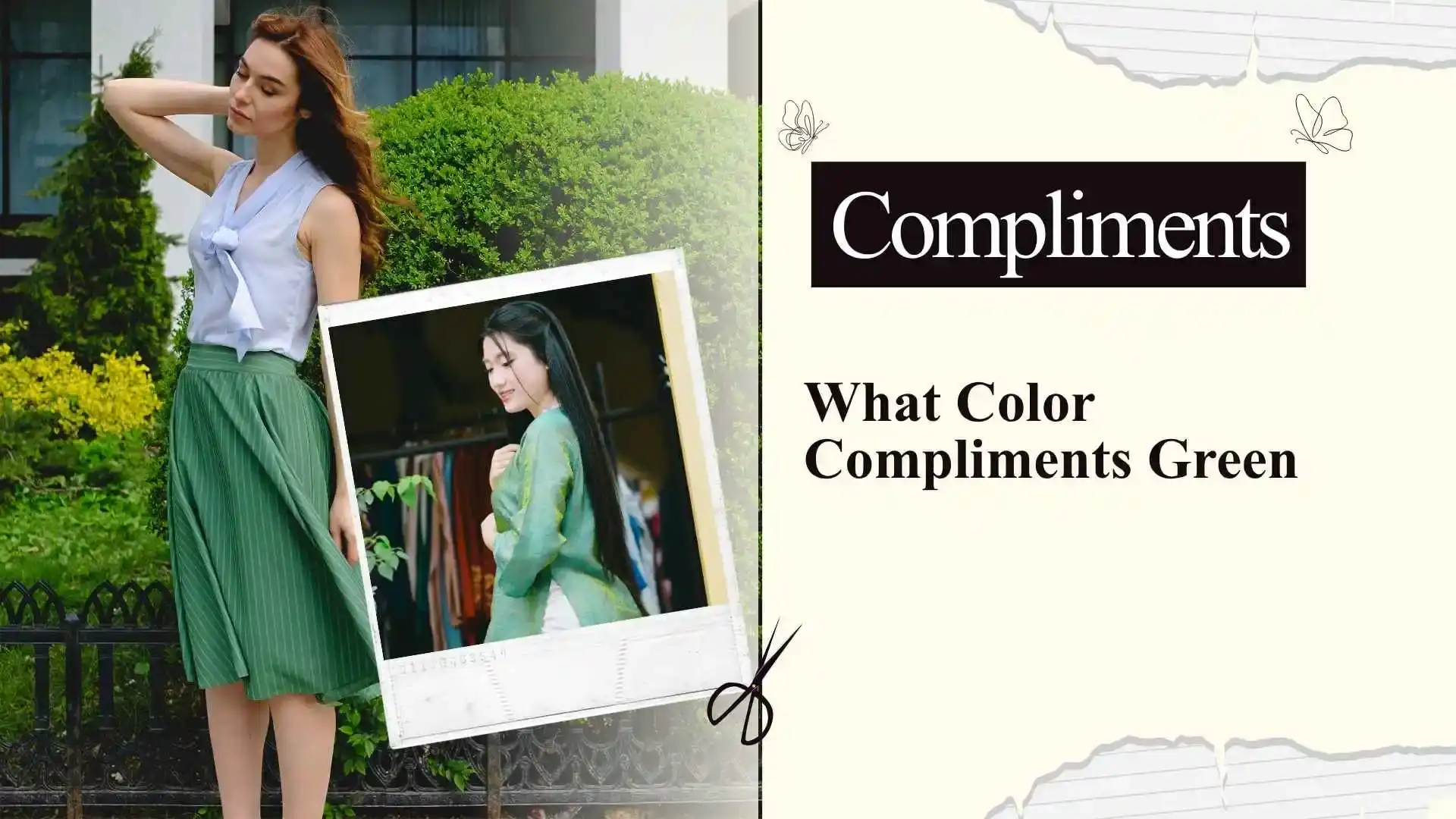
Green is one of those colors that can feel completely different depending on what you pair with it. A soft sage green can look calm and airy with cream, while deep forest green feels rich beside burgundy or gold. If you’re wondering what color compliments green, the best choice depends on the shade of green, where you’re using it, and the mood you want to create.
I’ve put together this guide to make those choices easier. You’ll find colors that work with green clothes, green eyes, dark green, green walls, dresses, and popular combinations such as green with pink, purple, red, blue, orange, brown, white, and gold.
What Color Compliments Green the Most?
There isn’t one color that compliments every shade of green equally well. However, white, cream, beige, brown, blush pink, burgundy, navy, gold, and soft gray are especially versatile choices.
The best match usually depends on the green itself:
- Light green: White, cream, beige, blush pink, and light gray
- Sage green: Cream, warm white, tan, dusty rose, and brown
- Olive green: Camel, rust, cream, burgundy, navy, and chocolate brown
- Emerald green: Gold, white, black, blush pink, and burgundy
- Forest green: Cream, tan, camel, burgundy, navy, and gold
- Dark green: Cream, white, gold, brown, burgundy, and dusty pink
- Lime green: White, black, navy, purple, and soft gray
For an easy starting point, look at the temperature and intensity of your green. A muted green usually works best with other muted or warm shades, while a vivid green can handle stronger contrasting colors.
What Color Compliments Green Clothes?

Green clothes are surprisingly easy to style because green can work as either the main color or a supporting color. Neutral shades are the safest choice, but you can also create a more noticeable outfit by pairing green with a contrasting color.
Here are 10 colors that work particularly well with green clothing:
- White: Creates a clean, fresh contrast and works with almost every shade of green.
- Cream: Softer than bright white and especially attractive with olive, sage, and forest green.
- Beige: Gives green clothing a relaxed, understated look.
- Black: Creates a sharper, more dramatic combination, especially with emerald or dark green.
- Brown: Works beautifully with earthy greens such as olive, moss, and forest green.
- Camel: Adds warmth and looks polished with muted green clothing.
- Navy: A sophisticated alternative to black that pairs well with medium and dark greens.
- Burgundy: Creates a rich, autumn-inspired combination with deeper greens.
- Blush Pink: Adds softness and creates a pleasing contrast with green.
- Gold: Particularly effective as an accessory color with emerald, forest, or dark green.
What Colors Go With Green Clothes for Ladies?
For women’s green clothing, the best color depends on the garment and the occasion. A green dress, for example, can look completely different with white shoes than it does with black or gold accessories.
For an everyday outfit, try green with cream, beige, white, tan, or brown. These combinations are easy to wear and don’t compete with the green.
For a dressier appearance, black, burgundy, navy, or gold can give the outfit more depth. If you want something softer and more feminine, blush pink, dusty rose, or ivory can work beautifully.
Accessories are an easy way to test a color combination without changing your entire outfit. Try a cream handbag, brown belt, gold jewelry, or neutral shoes and see how the green looks against them.
What Colors Go With Dark Green Clothes?
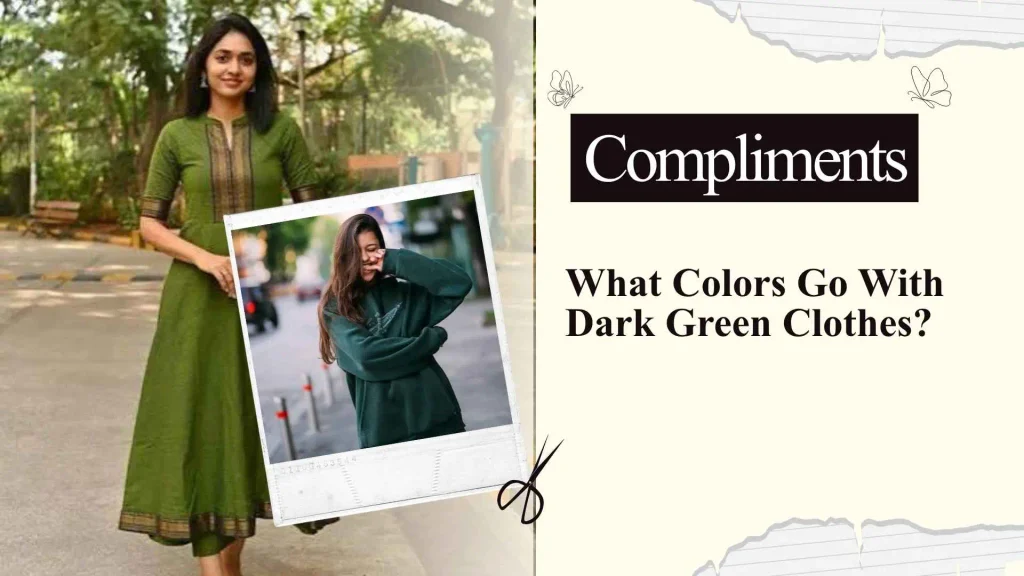
Dark green has a naturally deep appearance, so lighter and warmer colors often help create balance. You don’t have to stick to neutrals, though.
These 10 colors pair well with dark green clothes:
- Cream: Lightens the overall look without creating an overly harsh contrast.
- White: Gives dark green a crisp, noticeable contrast.
- Camel: Adds warmth and works particularly well for coats, trousers, and sweaters.
- Tan: Keeps the outfit relaxed and earthy.
- Brown: Creates a rich, natural color combination.
- Burgundy: Gives dark green a deep, elegant appearance.
- Blush Pink: Softens the intensity of dark green.
- Gold: Adds warmth and works especially well in jewelry and accessories.
- Navy: Creates a sophisticated dark-on-dark combination.
- Dusty Rose: Provides a muted contrast without overpowering the green.
If you’re wearing dark green pants, cream or beige can make the outfit feel lighter. With a dark green dress, gold jewelry can add warmth, while black accessories create a more dramatic look.
What Color Complements Green Eyes?
When people ask what color compliments green eyes, they’re usually looking for clothing, makeup, hair-color, or accessory shades that make green eyes appear more noticeable.
Colors with warm red, purple, pink, and earthy undertones can create an especially noticeable contrast with green eyes. The exact effect depends on your eye color, skin tone, and the amount of natural variation in your eyes.
Here are 10 colors worth trying:
- Plum: A rich purple shade that creates strong contrast with green eyes.
- Burgundy: Adds warmth and depth while making green tones stand out.
- Wine: A deeper red-purple that works well for evening clothing.
- Mauve: Softer than plum and easy to wear.
- Dusty Rose: Gives a subtle contrast without looking overly dramatic.
- Blush Pink: Creates a gentle, flattering combination.
- Rust: Brings out warm flecks that may appear in green or hazel-green eyes.
- Terracotta: A warm earthy shade that works especially well for casual outfits.
- Copper: Adds warmth and can make green eyes look brighter.
- Bronze: A useful choice for clothing, jewelry, and makeup when you want warmth without a very strong contrast.
If your green eyes contain gold or brown flecks, warm shades such as rust, bronze, copper, and brown can be particularly interesting. For a stronger contrast, try plum, burgundy, or wine.
What Colors Go With Green Walls?
Green walls can create anything from a calm, natural room to a dramatic, luxurious space. The furniture and accent colors should work with the specific green rather than against it.
These 10 colors are useful starting points for green walls:
- White: Keeps the room bright and provides a clean contrast.
- Warm White: Softer than pure white and often works well with earthy greens.
- Cream: Adds warmth and creates a comfortable atmosphere.
- Beige: A reliable neutral for furniture, rugs, and curtains.
- Tan: Works especially well with olive and muted green walls.
- Brown: Reinforces the natural, earthy character of green.
- Terracotta: Adds warmth and visual interest.
- Dusty Pink: Creates a softer contrast against green.
- Navy: Gives a deeper, more dramatic appearance when used carefully.
- Gold: Works nicely as a small accent through lighting, frames, hardware, or decorative pieces.
For a light sage wall, cream, white, natural wood, and dusty pink can keep the room soft. For forest or dark green walls, cream, tan, warm wood, brass-like gold accents, and lighter fabrics can prevent the room from feeling too heavy.
Before choosing large furniture pieces, consider the room’s natural light. A green that looks soft in a bright room may appear much deeper in a space with limited light.
What Color Compliments Green and Yellow?
Green and yellow naturally sit close together in the color spectrum, so they can create a lively, energetic combination. The key is choosing shades that don’t compete too strongly.
These 10 colors can help balance green and yellow:
- White: Keeps the combination fresh and simple.
- Cream: Softens bright yellow and green.
- Beige: Adds a neutral foundation.
- Brown: Grounds the combination with an earthy tone.
- Tan: Works well with olive and mustard variations.
- Navy: Adds depth and contrast.
- Charcoal: Provides a modern darker anchor.
- Gold: Enhances the warm side of yellow and green.
- Terracotta: Adds a warm, earthy contrast.
- Blush Pink: Softens the overall palette.
If you’re working with bright yellow and vivid green, adding a neutral such as white or beige can keep the result from becoming visually overwhelming. With mustard yellow and olive green, earthy browns and creams usually feel more natural.
What Color Compliments Green and Purple?
Green and purple create a stronger contrast because they have distinctly different visual qualities. The result can be dramatic, creative, or luxurious depending on the shades.
Here are 10 colors that can work alongside green and purple:
- White: Gives both colors room to stand out.
- Cream: Creates a warmer, softer balance.
- Beige: Tones down a bold combination.
- Gray: Adds a neutral, modern element.
- Charcoal: Works well with deep green and rich purple.
- Black: Creates a dramatic palette.
- Gold: Adds warmth and an elegant accent.
- Blush Pink: Softens purple and green.
- Brown: Helps earthy greens and muted purples feel grounded.
- Navy: Adds another deep tone without introducing a very bright color.
For clothing, you don’t necessarily need equal amounts of green and purple. One can be the main color while the other appears in a scarf, bag, shoes, jewelry, or another small detail.
What Color Compliments Green and Red?
Green and red are a naturally bold pairing, so the shades matter. Very bright versions of both can feel intense, while deeper or muted versions can look rich and seasonal.
These 10 colors can help make green and red easier to use together:
- White: Creates a crisp contrast.
- Cream: Softens the overall palette.
- Beige: Gives the combination a neutral base.
- Brown: Works particularly well with earthy green and muted red.
- Camel: Adds warmth without competing with the main colors.
- Burgundy: Can replace bright red for a deeper appearance.
- Navy: Provides a darker balancing color.
- Gray: Tones down strong red and green.
- Gold: Adds warmth as a small accent.
- Black: Creates a bold, dramatic combination.
If bright red and green feel too strong together, try replacing one of them with a muted version. For example, olive with burgundy is much more subdued than lime green with bright red.
What Color Compliments Green and Brown?
Green and brown are among the easiest combinations to work with because both are strongly associated with earthy color palettes. They can feel warm, relaxed, and natural.
These 10 colors can complement green and brown:
- Cream: Brightens the earthy combination.
- White: Adds a clean contrast.
- Beige: Keeps the palette soft.
- Tan: Creates a layered neutral look.
- Camel: Adds warmth and depth.
- Terracotta: Introduces a warm accent.
- Rust: Works naturally with olive and forest greens.
- Burgundy: Adds richness.
- Dusty Pink: Brings a softer contrast.
- Gold: Adds a warm decorative accent.
This palette is particularly useful for interiors and casual clothing. Think olive green, brown leather, cream fabric, and tan accessories for a relaxed combination.
What Color Compliments Green and Pink?
Green and pink can create a beautiful contrast because the cool or earthy quality of green balances the softness or warmth of pink. The exact result depends heavily on the shades.
Here are 10 colors that work well with green and pink:
- White: Keeps the palette bright and clean.
- Cream: Creates a softer, warmer look.
- Beige: Gives the combination a neutral foundation.
- Blush: Works naturally with sage and muted greens.
- Dusty Rose: Adds depth without becoming too bright.
- Mauve: Creates a more sophisticated version of pink and green.
- Brown: Grounds the palette.
- Tan: Works especially well with olive green.
- Gold: Adds warmth and polish.
- Burgundy: Deepens the palette for a richer appearance.
Sage green with blush pink is one of the softer options. Emerald green with deeper rose or burgundy feels much more dramatic.
What Color Compliments Green and Blue?
Green and blue can create a calm, nature-inspired palette because both colors are commonly associated with water, sky, plants, and outdoor settings. They can also look very modern when the shades are chosen carefully.
These 10 colors can complement green and blue:
- White: Gives the combination a fresh appearance.
- Cream: Adds warmth.
- Beige: Softens cool blue and green.
- Tan: Creates an earthy balance.
- Brown: Works with muted, natural shades.
- Gray: Gives the palette a modern neutral base.
- Navy: Adds depth to lighter greens.
- Gold: Provides a warm contrast.
- Terracotta: Adds an earthy accent.
- Blush Pink: Introduces a softer contrasting color.
For a relaxed palette, try sage green, dusty blue, cream, and natural wood tones. For something bolder, emerald green with navy and gold can create a much deeper look.
What Color Compliments Green and Orange?
Green and orange can be energetic because both can have a strong visual presence. Earthier versions tend to be easier to combine than extremely bright shades.
These 10 colors can help balance green and orange:
- White: Creates a clean break between strong colors.
- Cream: Softens the combination.
- Beige: Adds a neutral foundation.
- Tan: Works with earthy green and orange.
- Brown: Makes the palette feel natural.
- Camel: Adds warmth without excessive brightness.
- Navy: Creates strong contrast.
- Charcoal: Gives the combination a modern anchor.
- Burgundy: Adds depth.
- Gold: Enhances warm accents without becoming another dominant color.
Olive green with rust orange is generally much easier to style than neon green with bright orange. If you’re unsure, start with muted shades and add brighter colors in small amounts.
What Color Compliments Green and Gold?

Green and gold are a classic combination for creating a rich, warm appearance. The effect can range from elegant to earthy depending on the green.
These 10 colors can work with green and gold:
- White: Keeps the palette clean.
- Cream: Creates a warm, elegant base.
- Beige: Softens the overall combination.
- Black: Adds drama and definition.
- Brown: Makes the palette more earthy.
- Camel: Works beautifully with olive green.
- Burgundy: Adds a deep, rich contrast.
- Navy: Gives green and gold a sophisticated darker backdrop.
- Blush Pink: Softens the warmth.
- Terracotta: Creates an earthy, autumn-like palette.
Gold doesn’t need to be a major color. In clothing, gold jewelry can be enough. In a room, a gold frame, lamp, mirror, or small decorative detail can provide the same warm accent without overpowering the green.
What Color Compliments Green and White?
Green and white are already a strong combination, so you have plenty of freedom when adding a third color. White provides a clean background that allows almost any green to remain the focus.
These 10 colors can be added to green and white:
- Beige: Keeps the palette soft.
- Cream: Creates a warmer variation.
- Brown: Adds an earthy element.
- Tan: Works well for casual styling.
- Camel: Brings warmth.
- Gold: Adds a polished accent.
- Navy: Provides contrast.
- Burgundy: Creates a richer palette.
- Blush Pink: Adds softness.
- Terracotta: Brings in a warm natural tone.
For everyday clothing, green, white, and tan are easy to wear. For interiors, green walls with white trim and natural wood can create a balanced look without needing many additional colors.
What Color Compliments a Green Dress?
A green dress can be styled in many ways because the dress itself is already the main color. Your shoes, bag, jewelry, and makeup don’t all need to be different colors.
These 10 choices work particularly well with a green dress:
- Gold: A strong choice for jewelry, shoes, or a small clutch.
- Cream: Soft and understated.
- White: Fresh and clean, especially with lighter greens.
- Black: Dramatic and easy to coordinate.
- Nude or Beige: Lets the green remain the focus.
- Brown: Excellent for casual or earthy outfits.
- Tan: Works well with olive and muted green dresses.
- Burgundy: Adds richness to darker greens.
- Blush Pink: Creates a softer contrast.
- Silver: Works particularly well when the green has a cooler or jewel-toned appearance.
For a simple outfit, choose one main neutral for your shoes and bag rather than introducing several competing colors. Then use jewelry as the smaller accent.
How to Choose the Right Color for Your Shade of Green
The easiest way to choose a complementary color is to stop thinking about “green” as one single color. Sage, mint, olive, emerald, forest, and lime green can behave very differently.
Light and Soft Greens
Light greens usually look good with lighter neutrals and gentle contrasts.
Try:
- White
- Cream
- Beige
- Light gray
- Blush pink
- Dusty rose
- Tan
- Soft brown
- Lavender
- Navy
Olive and Muted Greens
Olive green works especially well with warm, earthy colors.
Try:
- Cream
- Camel
- Tan
- Brown
- Rust
- Terracotta
- Burgundy
- Mustard
- Navy
- Gold
Emerald Green
Emerald is vivid and rich, so it can handle strong contrast as well as simple neutrals.
Try:
- White
- Black
- Cream
- Gold
- Silver
- Blush pink
- Burgundy
- Navy
- Plum
- Beige
Forest and Dark Greens
Deep greens benefit from lighter colors that give the palette some breathing room.
Try:
- Cream
- White
- Beige
- Camel
- Tan
- Brown
- Burgundy
- Dusty pink
- Gold
- Navy
Lime and Bright Greens
Bright green already demands attention, so quieter supporting colors can make the overall combination easier to wear.
Try:
- White
- Black
- Navy
- Gray
- Cream
- Purple
- Lavender
- Brown
- Beige
- Denim blue
How to Pick a Complementary Color Without Overthinking It
You don’t need a complicated color chart every time you want to style green. Start with the role you want the second color to play.
For a clean look: Choose white, cream, beige, or gray.
For a natural look: Choose brown, tan, camel, rust, or terracotta.
For a romantic look: Try blush pink, dusty rose, or mauve.
For a dramatic look: Choose black, burgundy, plum, or navy.
For a luxurious look: Add gold, especially with emerald or forest green.
For a softer contrast: Choose a muted version of the contrasting color instead of a bright one.
A useful rule is to let one color lead. If you’re wearing a green dress, for example, you don’t need green, pink, gold, purple, and blue accessories all at once. Green can be the main color, while one neutral and one small accent color complete the look.
Common Mistakes When Pairing Green With Other Colors
Even colors that look good with green can become difficult when they’re used in the wrong proportions.
- Using too many strong colors: If green is already vivid, adding several bright colors can make the combination feel busy.
- Ignoring the shade of green: A color that works with sage may not work equally well with lime or emerald.
- Making every color equally dominant: One main color usually creates a cleaner result.
- Forgetting warmth and coolness: Warm olive green may look better with warm neutrals than with icy gray.
- Choosing accessories without considering the outfit: Shoes, bags, jewelry, and clothing should feel like part of the same palette.
- Relying only on black: Black is useful, but cream, beige, brown, navy, and gold can create very different and often softer results.
- Matching everything too closely: A little contrast usually makes green more interesting.
Quick Guide to the Best Colors for Green
| Green Shade or Use | Colors to Try |
| Green clothes | White, cream, beige, brown, navy, burgundy |
| Dark green clothes | Cream, camel, tan, gold, burgundy, blush |
| Green eyes | Plum, burgundy, mauve, rust, copper, bronze |
| Green walls | White, cream, beige, tan, brown, terracotta |
| Green dress | Gold, cream, black, beige, white, blush |
| Olive green | Camel, cream, brown, rust, burgundy, navy |
| Emerald green | Gold, white, black, blush, burgundy, navy |
| Forest green | Cream, tan, camel, brown, burgundy, gold |
| Sage green | Cream, white, blush, dusty rose, tan, brown |
| Bright green | White, black, navy, gray, purple, beige |
Frequently Asked Questions
What Color Compliments Green the Most?
There isn’t one universal best color for every shade of green. White, cream, beige, brown, blush pink, burgundy, navy, and gold are among the most versatile choices. The right option depends on the shade of green and the look you’re trying to create.
What Color Compliments Green Eyes?
Plum, burgundy, mauve, rust, copper, bronze, and warm pinks can create noticeable contrast with green eyes. Earthy shades can also work well when green eyes contain brown or golden flecks.
What Colors Go With Dark Green Clothes?
Cream, white, camel, tan, brown, burgundy, blush pink, gold, navy, and dusty rose are strong options for dark green clothing. Lighter neutrals can help balance the depth of the green.
What Colors Go With Green Walls?
White, warm white, cream, beige, tan, brown, terracotta, dusty pink, navy, and gold accents can all work with green walls. Choose based on whether you want the room to feel light, earthy, dramatic, or warm.
What Color Compliments a Green Dress?
Gold, cream, beige, black, white, brown, tan, burgundy, blush pink, and silver can all work with a green dress. For a simple outfit, choose one main neutral and use jewelry or another accessory as the accent.
Does Pink Go With Green?
Yes. Pink and green can create a soft or striking contrast depending on the shades. Blush and dusty rose work especially well with sage and muted greens, while deeper pinks can create more contrast with emerald or forest green.
Does Purple Go With Green?
Yes. Purple and green create a noticeable contrast and can look creative or dramatic. Plum, mauve, and muted purple are often easier to style with green than extremely bright purple.
Does Brown Go With Green?
Yes. Brown and green are natural partners, particularly when the green is olive, moss, sage, or forest green. Cream, tan, and camel can be added to keep the combination lighter.
Conclusion
When deciding what color compliments green, start with the exact shade rather than treating all greens the same. Sage, olive, emerald, forest, and bright green each create a different visual effect, so the best companion color can change with the shade.
For the easiest combinations, reach for cream, white, beige, brown, tan, navy, blush pink, burgundy, or gold. These colors give you plenty of room to create casual, elegant, earthy, soft, or dramatic looks without making the palette unnecessarily complicated.
I find the simplest approach is to let green be the star and use one or two supporting colors around it. Once you know whether you want contrast, warmth, softness, or drama, choosing the right color becomes much easier.

I’m Grace Anderson, a writer who enjoys studying the beauty and impact of positive words. I create content about compliments, appreciation, admiration, and thoughtful messages to help people communicate their feelings more naturally. I focus on making my writing simple, useful, and easy for readers to apply.
I’m the author of Words That Make a Difference and The Art of Giving Compliments. Through my work, I want to encourage people to use sincere words to celebrate and appreciate the people around them.