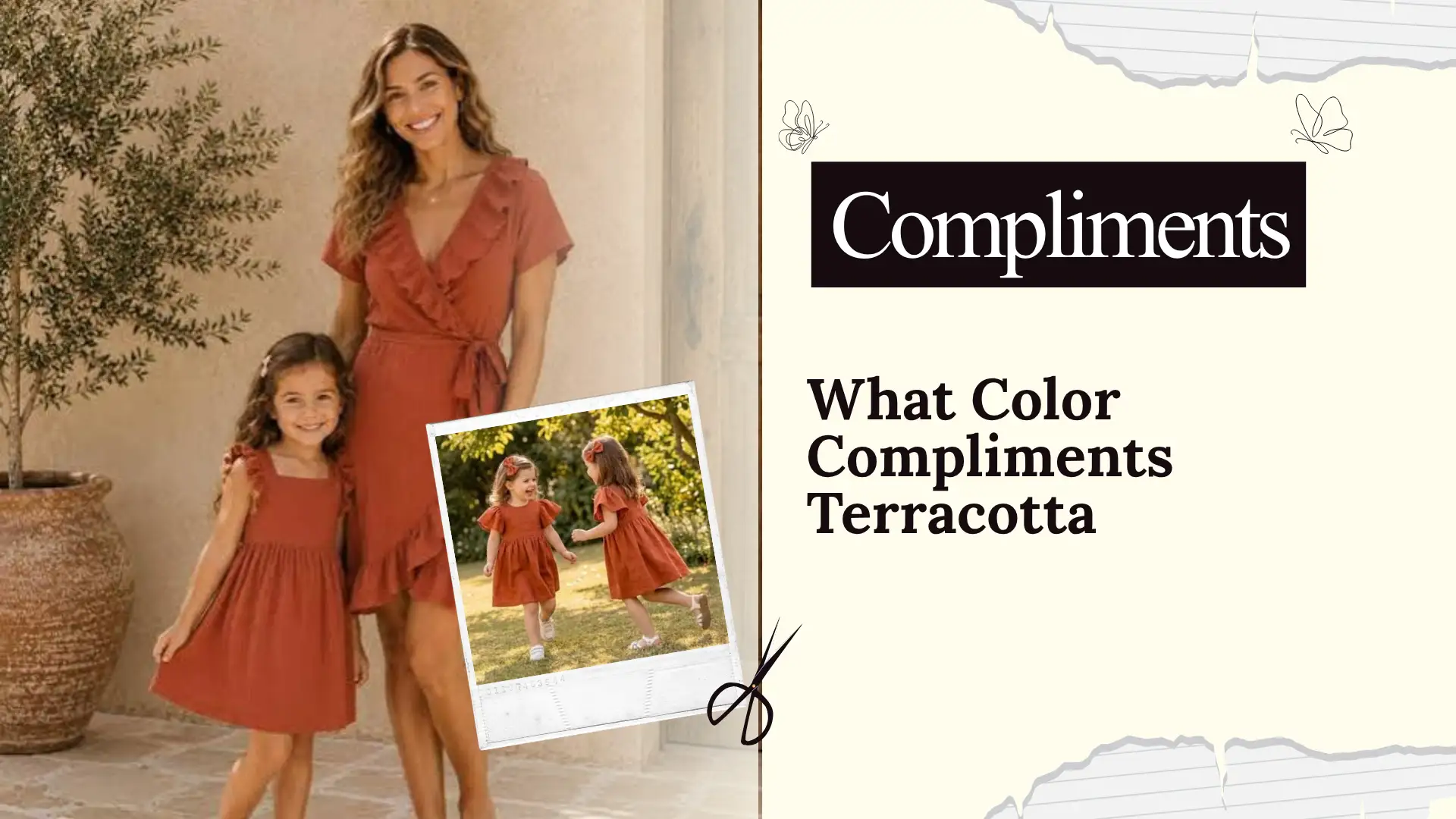
Terracotta has a warm, earthy character that can make a space or outfit feel inviting without looking overly bright. But because it has strong orange, red, and brown undertones, choosing the right color to pair with it can make a big difference.
If you’re wondering what color compliments terracotta, I’ve put together practical combinations for different situations, from terracotta walls and tiles to living rooms, kitchens, showers, outfits, and weddings. You’ll also find ideas for lighter and darker palettes, so you can choose a combination that fits the mood you’re after.
The best pairing depends on the shade of terracotta and where you’re using it. Soft neutrals can calm it down, greens can bring out its earthy side, and deep blues can create a stronger contrast. The key is to balance the warmth of terracotta rather than compete with it.
What Color Compliments Terracotta Best?
There isn’t just one perfect color for terracotta. Some of the most versatile choices are cream, warm white, beige, olive green, sage green, navy blue, dusty blue, charcoal, brown, and muted pink.
Here are 10 colors that work particularly well with terracotta:
- Cream: Softens terracotta while keeping the overall palette warm.
- Warm White: Creates a clean contrast without the starkness of cool white.
- Beige: Builds a calm, neutral combination that works in many interiors.
- Olive Green: Emphasizes terracotta’s natural, earthy quality.
- Sage Green: Gives the palette a softer and more relaxed appearance.
- Navy Blue: Creates a rich contrast against warm terracotta.
- Dusty Blue: Adds coolness without making the combination feel harsh.
- Charcoal Gray: Gives terracotta a more modern and grounded look.
- Chocolate Brown: Creates a deep, cozy palette with similar warm undertones.
- Dusty Rose: Adds a subtle romantic touch while staying within a muted color family.
For a safe everyday combination, start with terracotta plus cream, beige, or warm white. If you want more contrast, try navy or dusty blue. For an earthy look, olive or sage green is especially easy to work with.
What Color Compliments Terracotta Walls?
Terracotta walls already make a strong statement, so the other colors in the room usually work best when they provide balance. You don’t need every piece of furniture or decoration to match the wall exactly.
These 10 colors are useful choices for furniture, curtains, rugs, artwork, and accessories:
- Warm White: Brightens the room while preserving its warmth.
- Cream: Creates a soft and cohesive backdrop.
- Sand: Adds another natural neutral without overwhelming the walls.
- Taupe: Gives terracotta a sophisticated, slightly muted partner.
- Sage Green: Introduces a calm botanical feeling.
- Olive Green: Works especially well with wood and natural textures.
- Navy Blue: Adds noticeable contrast and depth.
- Charcoal: Gives a terracotta room a contemporary edge.
- Natural Wood Brown: Connects naturally with terracotta’s earthy character.
- Muted Blush: Adds softness without turning the room overly pink.
How to Balance a Terracotta Wall
If all four walls are terracotta, consider keeping larger furniture pieces relatively quiet in color. A cream sofa, natural wood table, beige rug, or off-white curtains can prevent the room from feeling visually heavy.
If only one wall is terracotta, you have more freedom. A neutral surrounding wall color can make the terracotta feature wall stand out while keeping the rest of the room relaxed.
What Colors Go With Terracotta Tiles?

Terracotta tiles can be especially beautiful because their natural variation often includes orange, red, brown, and muted earthy tones. The best supporting colors usually enhance those undertones instead of fighting them.
Try these 10 colors with terracotta tiles:
- Ivory: Keeps the floor feeling light and traditional.
- Cream: Creates a warm, seamless palette.
- Linen: Adds a relaxed, natural feel.
- Beige: Blends easily with the earthy tones in terracotta.
- Greige: Gives the traditional tile a more updated appearance.
- Sage Green: Creates a soft Mediterranean-inspired feel.
- Olive Green: Works well when paired with wood and plants.
- Deep Blue: Provides attractive contrast against warm tiles.
- Chocolate Brown: Strengthens the rustic character of the floor.
- Black: Adds definition and works best in smaller amounts.
What to Consider With Terracotta Flooring
Because terracotta tiles are visually noticeable, think about the overall color temperature of the room. Warm whites, creams, beige, and natural wood tend to make the space feel cohesive.
Cool gray can work too, but very blue-gray shades may make traditional terracotta look disconnected. If you like gray, a warmer greige is often easier to combine with it.
What Color Compliments Terracotta for a Living Room?
A terracotta living room can feel warm, comfortable, and full of character. The trick is deciding whether you want to emphasize that warmth or balance it with cooler shades.
Here are 10 colors to consider:
- Cream: Ideal for sofas, curtains, or large rugs.
- Warm White: Keeps the room bright and uncluttered.
- Beige: Creates an easygoing neutral foundation.
- Sage Green: Adds a fresh but understated contrast.
- Olive Green: Works beautifully with terracotta and wood.
- Navy Blue: Makes cushions, chairs, or artwork stand out.
- Dusty Blue: Offers contrast without looking too dramatic.
- Tan: Keeps the palette warm and natural.
- Charcoal Gray: Adds a modern element to an earthy room.
- Dusty Rose: Creates a softer and more decorative palette.
Easy Terracotta Living Room Combinations
For a soft and cozy room, try terracotta walls with a cream sofa, beige rug, and natural wood furniture.
For a more modern room, combine terracotta with warm white, charcoal, and black accents.
For an earthy room, use terracotta with olive green, tan, cream, and plenty of natural wood.
For a richer room, bring in navy blue through an accent chair, cushions, artwork, or curtains rather than covering the entire room in another strong color.
What Color Compliments Terracotta Kitchen?
Terracotta can work particularly well in kitchens because its earthy warmth pairs naturally with wood, stone, and neutral finishes. You can use it on walls, backsplashes, floors, cabinets, or smaller decorative elements.
These 10 colors are worth considering:
- Warm White: Keeps the kitchen fresh while complementing terracotta.
- Cream: Creates a warm and timeless combination.
- Beige: Works well with terracotta flooring and natural materials.
- Greige: Gives the kitchen a modern neutral base.
- Sage Green: Adds a gentle natural contrast.
- Olive Green: Creates a deeper earthy kitchen palette.
- Navy Blue: Adds richness to cabinets or kitchen accessories.
- Natural Wood: Reinforces terracotta’s rustic character.
- Soft Black: Adds definition to handles, lighting, or fixtures.
- Muted Blue: Brings a little coolness to a warm kitchen.
Choosing Cabinets With Terracotta
If terracotta appears on the floor or backsplash, you don’t necessarily need terracotta-colored cabinets too. Cream, warm white, muted green, natural wood, and even deep blue can provide enough contrast.
For a smaller kitchen, lighter cabinet colors can help maintain an open appearance. In a larger kitchen, deeper olive, navy, or wood tones can create a richer look.
What Color Compliments Terracotta Shower?
Terracotta in a shower can create a warm, spa-like atmosphere, particularly when combined with softer materials and understated fixtures. Since bathrooms often benefit from visual brightness, consider using terracotta as an accent rather than making every surface the same shade.
Here are 10 complementary colors:
- Warm White: Makes the shower area feel clean and bright.
- Cream: Softens the strong warmth of terracotta.
- Ivory: Works well with natural stone and light fixtures.
- Sand: Creates a relaxed, earthy bathroom palette.
- Beige: Pairs naturally with terracotta tile.
- Sage Green: Adds a subtle botanical feel.
- Muted Blue: Balances the warmth with a gentle cool tone.
- Dusty Blue: Gives the shower a calm appearance.
- Charcoal: Creates stronger definition around terracotta.
- Natural Wood Brown: Works well for nearby storage or decorative details.
Fixtures That Work With Terracotta
Warm metals such as brass or aged bronze can reinforce the warmth of terracotta. Black fixtures create stronger contrast and a more contemporary appearance, while softer metallic finishes can keep the bathroom feeling understated.
If you’re using a lot of terracotta tile, keep towels, walls, and larger accessories relatively simple. This lets the tile remain the main visual feature.
Terracotta Color Combination Outfit Ideas

Terracotta isn’t limited to interiors. It can be a flattering clothing color because it sits between orange, red, and earthy brown. The best companion color depends on whether you want your outfit to feel casual, elegant, soft, or bold.
Here are 10 outfit colors that pair well with terracotta:
- Cream: Creates a polished and warm combination.
- White: Gives terracotta a crisp contrast.
- Beige: Makes the outfit feel understated and refined.
- Camel: Builds a sophisticated warm-toned outfit.
- Olive Green: Creates an earthy casual combination.
- Navy Blue: Adds strong but wearable contrast.
- Denim Blue: Makes terracotta feel relaxed and everyday.
- Chocolate Brown: Creates a rich monochromatic-style palette.
- Black: Gives terracotta a sharper, more dramatic appearance.
- Dusty Pink: Creates a softer feminine combination.
Simple Terracotta Outfit Combinations
A terracotta top with cream trousers is an easy choice for a polished daytime look.
A terracotta dress with tan or camel accessories keeps the outfit warm and coordinated.
For something more casual, try a terracotta shirt with blue denim and neutral shoes.
If you prefer contrast, pair terracotta with navy through trousers, a jacket, shoes, or accessories.
For an earthy outfit, combine terracotta, olive green, and beige.
You don’t need several colors in one outfit. Two or three well-balanced shades usually look more intentional than adding too many competing colors.
What Colors Go With Terracotta for a Wedding?

Terracotta has become a popular-looking choice for warm, earthy wedding palettes because it can work with both soft neutrals and deeper accent colors. The surrounding colors determine whether the overall wedding style feels rustic, romantic, modern, or elegant.
Consider these 10 wedding colors:
- Ivory: A natural partner for terracotta in floral and table settings.
- Cream: Keeps the palette soft and warm.
- Champagne: Adds an elegant neutral accent.
- Dusty Rose: Creates a romantic combination.
- Blush Pink: Softens the stronger terracotta tone.
- Sage Green: Adds a natural garden-inspired element.
- Olive Green: Works well for foliage and deeper accents.
- Navy Blue: Creates a richer, more formal contrast.
- Dusty Blue: Gives the palette a lighter cool accent.
- Chocolate Brown: Adds depth to rustic or autumn-inspired designs.
Terracotta Wedding Palette Ideas
For a soft romantic wedding, combine terracotta with ivory, blush, dusty rose, and cream.
For a natural outdoor wedding, try terracotta, sage green, ivory, and olive.
For a rustic wedding, use terracotta with cream, wood brown, beige, and muted green.
For a more elegant wedding, terracotta can be balanced with champagne, ivory, and a small amount of deep navy.
The same colors can be used across invitations, flowers, bridesmaid dresses, table linens, candles, signage, and other details without making everything exactly the same shade.
Warm Colors vs. Cool Colors With Terracotta
Terracotta is naturally warm, so warm colors create harmony while cool colors create contrast.
Warm combinations include:
- Terracotta and cream
- Terracotta and beige
- Terracotta and camel
- Terracotta and brown
- Terracotta and dusty rose
These combinations tend to feel cozy, natural, and cohesive.
Cooler combinations include:
- Terracotta and navy
- Terracotta and dusty blue
- Terracotta and muted blue-green
- Terracotta and sage
- Terracotta and charcoal
These combinations can feel more balanced and visually interesting because the cooler color offsets terracotta’s warmth.
If you’re unsure which direction to take, decide on the mood first. Choose warm neutrals for softness and cool accents for contrast.
How to Choose the Right Terracotta Color Combination
Start with the terracotta itself. Not every terracotta shade is identical. Some lean more orange, while others are closer to red, brown, or muted clay.
Then consider these factors:
- Amount of terracotta: A small accent can handle a stronger complementary color, while a terracotta wall or floor may need softer supporting shades.
- Natural light: Bright rooms can handle deeper colors, while darker rooms often benefit from lighter neutrals.
- Room size: Smaller spaces may feel more comfortable with cream, ivory, beige, or soft green.
- Existing materials: Wood, stone, metal, and tile can influence which colors look natural beside terracotta.
- Desired mood: Warm neutrals feel cozy, greens feel earthy, and blues create more contrast.
- Accent ratio: You don’t have to use every color equally. Let terracotta remain the main color and use the other shades as support.
A simple rule is to choose one main terracotta shade, one supporting neutral, and one accent color. That gives you enough contrast without making the palette complicated.
Colors to Use Carefully With Terracotta
Some colors aren’t automatically wrong with terracotta, but they can be harder to balance.
Very bright orange can make the palette feel overly warm. Strong red can compete with terracotta because the colors are closely related. Extremely cool blue-gray can sometimes create an uncomfortable temperature contrast when the surrounding materials are strongly warm.
That doesn’t mean you have to avoid these colors completely. Small accents can work. The important thing is to consider the amount, undertone, and surrounding colors.
Frequently Asked Questions About Terracotta Color Combinations
What Is the Best Color to Pair With Terracotta?
Cream, warm white, beige, olive green, sage green, navy, and dusty blue are among the easiest colors to pair with terracotta. The best choice depends on whether you want harmony or stronger contrast.
Does Terracotta Go Better With Warm or Cool Colors?
Terracotta can work with both. Warm colors such as cream, beige, and brown create a cohesive look, while cooler colors such as navy, dusty blue, and sage create more contrast.
What Color Compliments Terracotta Walls?
Warm white, cream, beige, sage green, olive green, navy, and natural wood tones are strong choices for terracotta walls. Use lighter neutrals when you want the room to feel softer and brighter.
What Colors Go With Terracotta Tiles?
Terracotta tiles pair well with ivory, cream, beige, greige, sage green, olive, deep blue, natural wood, and soft black. The best choice depends on the style and amount of tile in the room.
Does Navy Blue Go With Terracotta?
Yes. Navy blue creates a strong contrast with terracotta and can make the overall palette feel richer. It works especially well in smaller amounts through furniture, textiles, artwork, or accessories.
Does Sage Green Go With Terracotta?
Yes. Sage green and terracotta create a natural, muted combination. The green adds a cooler element while still fitting comfortably with terracotta’s earthy character.
What Colors Go With Terracotta for a Wedding?
Ivory, cream, blush, dusty rose, sage green, olive, champagne, dusty blue, navy, and brown can all work with terracotta. Choose lighter colors for a softer wedding palette and deeper accents for more contrast.
Is Terracotta a Warm or Cool Color?
Terracotta is generally considered a warm color because of its orange, red, and brown undertones. This is why warm neutrals and earthy shades tend to pair naturally with it.
Conclusion
When choosing what color compliments terracotta, start by deciding what you want the final look to feel like. Cream, ivory, and beige are easy choices when you want softness, while olive and sage bring out terracotta’s earthy side. Navy and dusty blue give you more noticeable contrast.
For interiors, pay attention to the amount of terracotta you’re using. A terracotta floor or wall may need calmer surrounding colors, while a few terracotta accessories can handle stronger combinations. For clothing and weddings, the same principle applies: let terracotta be the star and use supporting shades to create balance.
I’ve found that the easiest way to choose is to start with three colors: terracotta, a neutral, and one accent. From there, you can adjust the balance until the combination feels right for your

I’m Ethan Williams, a writer interested in the art of positive communication and thoughtful expression. I write about compliments, appreciation, and the different ways people can use encouraging words to build better connections. I believe even a short and sincere compliment can have a lasting impact.
I’m the author of The Power of Positive Words and Compliments That Connect. My goal is to give readers useful ideas and natural expressions they can confidently use in everyday conversations.