Blue eyes already have a naturally noticeable quality, but the colors you wear can make them look even brighter, deeper, or more vivid. If you’re wondering what color compliments blue eyes, the answer depends on the effect you want and your hair, skin tone, and personal style.
I’ve put together this guide to make the choice easier. You’ll find clothing colors that bring out blue eyes, shades that work especially well with blonde or brown hair, options for pale skin, and a few colors to approach differently when you want your eyes to be the main focus.
The best part is that you don’t need a completely new wardrobe. A sweater, shirt, jacket, scarf, or even a small accessory in the right shade can change how your eye color appears.
What Color Compliments Blue Eyes Best?
Colors that contrast with blue on the color wheel often make blue eyes appear more noticeable. Warm shades such as orange, copper, peach, coral, rust, and terracotta can create a strong contrast, while cool shades such as navy, blue-gray, and certain purples can enhance the depth of blue eyes.
Here are 10 colors worth trying:
- Copper — creates a warm contrast that can make blue eyes look brighter.
- Rust — a deeper orange-based shade that works beautifully for fall clothing.
- Terracotta — softer than rust and easy to wear in shirts, sweaters, and dresses.
- Coral — adds warmth without being as intense as bright orange.
- Peach — a gentle choice when you want a softer contrast.
- Burnt Orange — especially striking when you want blue eyes to stand out.
- Camel — a neutral warm shade that gives blue eyes more visual contrast.
- Warm Brown — works well for casual outfits and earthy color combinations.
- Plum — adds richness while keeping the overall look sophisticated.
- Burgundy — a deep warm red that can create a noticeable contrast with blue eyes.
You don’t have to wear a bright shade from head to toe. Sometimes a rust scarf or burgundy top is enough to draw attention toward your face.
What Colors Bring Out Blue Eyes in Clothes?
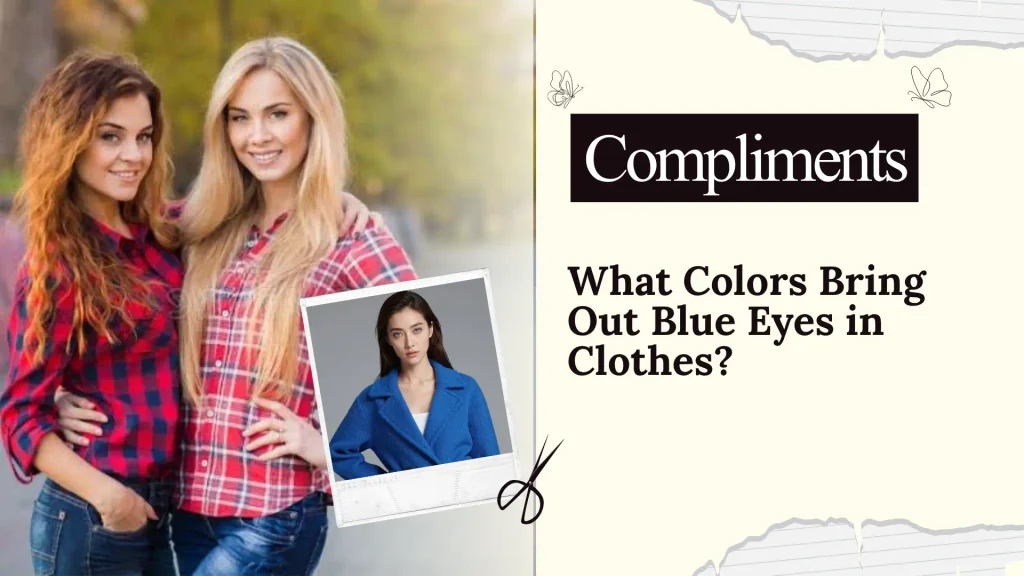
The right clothing color can change the way blue eyes are perceived. Warm colors usually provide the strongest contrast, while darker neutrals can frame the eyes and make their natural color look clearer.
These 10 clothing colors are particularly useful:
- Navy blue — creates a darker frame around lighter blue eyes.
- Burgundy — gives blue eyes a rich, contrasting background.
- Rust — brings warmth close to the face.
- Copper — particularly effective with medium or dark blue eyes.
- Plum — adds depth without overwhelming your eye color.
- Terracotta — a wearable earthy option for everyday outfits.
- Camel — works as a neutral while still adding warmth.
- Chocolate brown — creates a soft, natural contrast.
- Coral — makes an outfit feel brighter and can emphasize blue eyes.
- Charcoal gray — provides a neutral backdrop that doesn’t compete with the eyes.
For the strongest effect, choose tops, sweaters, scarves, and jackets in these colors. Clothing worn close to your face generally has more visual impact than colors used only on pants or shoes.
Best Clothing Colors for Blue Eyes and Blonde Hair
Blue eyes and blonde hair create a naturally light combination, so clothing can either continue that softness or introduce contrast. If you want your eyes to stand out rather than blend into an overall pale look, richer or warmer colors can help.
Try these 10 shades:
- Burgundy — adds depth and contrast to blonde hair and blue eyes.
- Rust — brings warmth to a lighter appearance.
- Navy — creates a clean, classic contrast.
- Plum — gives the face more depth without looking overly harsh.
- Emerald green — creates contrast while keeping the outfit polished.
- Chocolate brown — works especially well with warmer blonde shades.
- Camel — soft and understated for everyday clothing.
- Coral — adds brightness and warmth.
- Copper — makes a bold statement around the face.
- Charcoal — a versatile darker neutral that can make light eyes more noticeable.
If your blonde hair is very light, extremely pale clothing can sometimes make the entire look feel low contrast. Try pairing a soft neutral with one deeper shade instead of relying on several pale colors at once.
Best Clothing Colors for Blue Eyes and Pale Skin
When you have blue eyes and pale skin, choosing colors close to your natural coloring can create a soft effect, while richer shades can provide more definition. The most flattering choice also depends on whether your skin has a cool, warm, or neutral undertone.
These 10 colors are useful starting points:
- Navy blue — offers contrast without being as severe as black.
- Dusty rose — soft and flattering for a gentle look.
- Burgundy — adds depth around the face.
- Plum — works well when you want a richer color.
- Sage green — understated and easy to pair with neutrals.
- Forest green — gives a deeper contrast.
- Soft lavender — complements blue eyes without overpowering them.
- Camel — adds warmth to a lighter complexion.
- Rose pink — creates a softer, approachable appearance.
- Charcoal gray — gives definition while remaining neutral.
If a color makes your skin look unusually washed out, try moving it farther away from your face or pairing it with a more contrasting shade.
What Color Compliments Blue Eyes With Brown Hair?
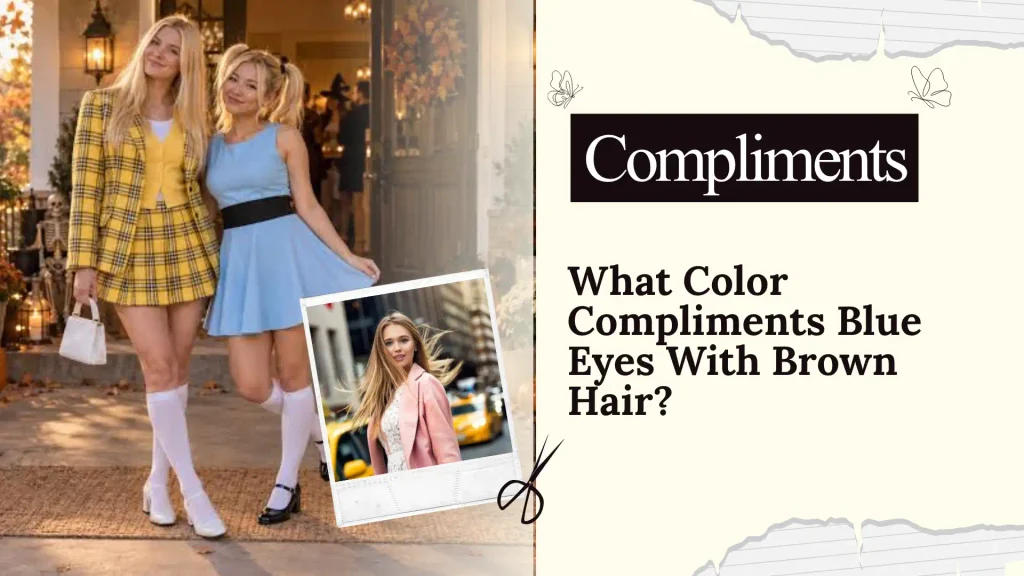
Brown hair provides a darker frame around the face, so you have plenty of room to experiment with both warm and cool clothing colors. Rich jewel tones and earthy shades can work particularly well because they create enough contrast to keep blue eyes noticeable.
Consider these 10 colors:
- Burgundy — rich and flattering against brown hair.
- Rust — provides a warm contrast to blue eyes.
- Emerald green — adds jewel-toned depth.
- Teal — can make blue eyes appear more vivid.
- Plum — sophisticated and easy to dress up.
- Copper — creates a noticeable warm contrast.
- Mustard — bold enough to make blue eyes stand out.
- Camel — works as a warm everyday neutral.
- Cream — softer than bright white and provides a clean backdrop.
- Navy — classic, versatile, and particularly useful for darker outfits.
Brown hair also gives you freedom to wear stronger colors without the outfit necessarily competing with your hair. If your eyes are the feature you want noticed first, start with a richer color near your face.
Does Hair Color Change Which Colors Look Best With Blue Eyes?
Yes, hair color can influence the overall effect of a clothing shade. The blue eyes stay the same, but the combination of hair, skin, clothing, and eye color changes the amount of contrast around your face.
For example:
- Blonde hair: deeper colors such as navy, burgundy, plum, and forest green can add definition.
- Brown hair: warm shades such as rust, copper, camel, and burgundy can create attractive contrast.
- Black hair: jewel tones and warm shades can provide a strong visual contrast.
- Red hair: green, navy, cream, and certain blue shades can create interesting combinations.
- Light brown hair: earthy colors, navy, teal, and burgundy offer plenty of flexibility.
- Gray or silver hair: navy, plum, burgundy, charcoal, and softer jewel tones can create depth.
Hair color shouldn’t be treated as a strict rule. Your skin undertone and personal preference matter just as much when deciding what looks good on you.
Can Blue Clothes Make Blue Eyes Look Bluer?
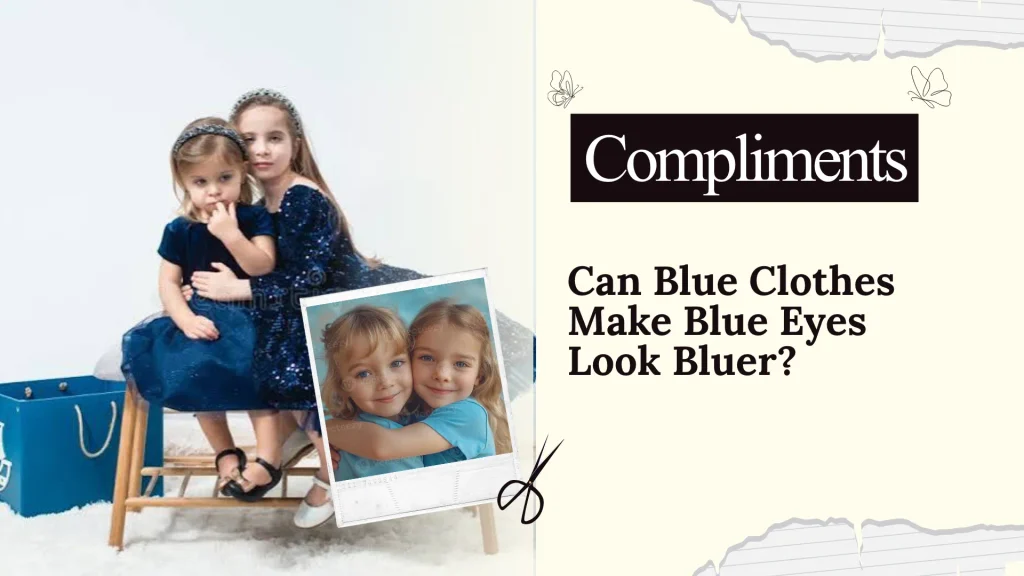
Yes, blue clothing can sometimes make blue eyes appear more noticeable, but the result depends on the exact shade. Wearing a blue that is similar to your eye color can create a coordinated look, while a darker or slightly different blue can provide more definition.
Here are 10 blue-family shades to experiment with:
- Navy
- Cobalt
- Royal blue
- Teal
- Denim blue
- Steel blue
- Slate blue
- Dusty blue
- Periwinkle
- Blue-gray
If your goal is to make your eyes appear brighter rather than simply match them, try a darker blue or a blue with a different undertone. A navy sweater, for example, can create a darker frame that makes lighter blue eyes easier to notice.
What Colors Should You Avoid If You Want Blue Eyes to Stand Out?
There aren’t colors that everyone with blue eyes needs to avoid. The better approach is to identify shades that reduce contrast or make your eyes less noticeable when that’s not the effect you want.
These 10 shades may create a more subdued effect depending on your coloring:
- Very pale icy blue
- Extremely light gray
- Very pale beige
- Washed-out white
- Muted blue-gray
- Very pale lavender
- Cool taupe
- Very light pastel green
- Colors extremely similar to your skin tone
- A clothing shade almost identical to your eye color
That doesn’t mean these colors look bad. They can create a soft, monochromatic appearance. If you want your blue eyes to be the focal point, simply balance a low-contrast shade with something darker or warmer.
How to Choose the Right Color for Your Skin Undertone
Your skin undertone can change how the same clothing color looks against your face. Two people with blue eyes can wear the same shirt and get very different results.
Cool Undertones
Cool undertones often work nicely with:
- Navy
- Plum
- Burgundy
- Lavender
- Cool pink
- Blue-gray
- Emerald
If warm orange shades look too strong against your skin, try softer versions such as dusty rose, muted berry, or mauve.
Warm Undertones
Warm undertones can pair naturally with:
- Rust
- Copper
- Terracotta
- Camel
- Warm brown
- Coral
- Mustard
These shades can create a warm frame around blue eyes.
Neutral Undertones
If your undertone is neutral, you have more flexibility. Try both warm and cool colors and compare how they look in natural light.
Your own mirror test is often more useful than following a strict color rule. Hold two different tops near your face and notice which one makes your eyes look clearer and your complexion more balanced.
How to Make Blue Eyes Stand Out With an Outfit
You don’t need to choose the “perfect” color for every outfit. Instead, think about contrast, placement, and the overall combination.
Try these simple approaches:
- Put the strongest color near your face. A top or scarf has more impact than shoes.
- Use one contrasting color. A rust top with neutral pants can be enough.
- Try darker framing colors. Navy, charcoal, and burgundy can make lighter eyes more noticeable.
- Experiment with jewel tones. Emerald, plum, and deep teal can add depth.
- Use warm accessories. A copper-toned scarf or rust-colored jacket can provide contrast.
- Don’t ignore neutrals. Cream, camel, brown, and charcoal can make stronger colors easier to wear.
- Compare colors in natural light. Indoor lighting can change how both your skin and eyes appear.
- Consider your hair color. The best clothing shade should work with the entire face, not just your eyes.
- Think about the occasion. Navy may be easier for work, while copper or coral can be more playful.
- Choose colors you actually enjoy wearing. Looking comfortable in a color matters more than following a strict color chart.
Blue Eyes and Brown Eyes: Do They Need Different Colors?
Blue and brown eyes have different natural tones, so contrasting clothing colors can create different effects. Blue eyes often respond noticeably to warm shades because warm colors contrast with cool blue. Brown eyes are more neutral and can work with a broader range of colors.
For blue eyes, try:
- Rust
- Copper
- Burgundy
- Coral
- Navy
- Plum
- Emerald
- Teal
- Camel
- Chocolate brown
For brown eyes, try:
- Emerald
- Teal
- Cobalt
- Plum
- Burgundy
- Gold
- Cream
- Olive
- Coral
- Chocolate brown
The goal isn’t to follow a rigid rule. Clothing color interacts with skin tone, hair color, lighting, and the specific shade of your eyes.
Frequently Asked Questions
What Is the Best Color to Wear With Blue Eyes?
Warm shades such as rust, copper, coral, burgundy, and terracotta can create strong contrast with blue eyes. Navy, plum, emerald, and teal are also useful choices when you want a richer look.
What Color Makes Blue Eyes Look Bluer?
Darker blues such as navy, cobalt, and royal blue can frame blue eyes and make them appear more noticeable. Warm contrasting shades such as copper and rust can also make blue eyes stand out.
What Colors Look Best With Blue Eyes and Blonde Hair?
Navy, burgundy, plum, rust, emerald, chocolate brown, camel, coral, copper, and charcoal are all useful colors to try with blue eyes and blonde hair.
What Color Compliments Blue Eyes and Brown Hair?
Burgundy, rust, copper, emerald, teal, plum, camel, cream, mustard, and navy can all complement blue eyes with brown hair. Your skin undertone can help narrow the choices further.
What Color Compliments Brown Eyes?
Brown eyes are versatile and can work with many shades, including emerald, teal, plum, burgundy, cobalt, gold, cream, olive, coral, and brown. The best choice depends on your hair, skin tone, and the look you’re trying to create.
What Is the Best Clothing Color for Blue Eyes and Pale Skin?
Navy, burgundy, plum, forest green, dusty rose, sage, lavender, camel, rose pink, and charcoal are good starting points. Test the colors near your face because your skin undertone can change the result.
Does Wearing Blue Make Blue Eyes Stand Out?
It can. A darker or contrasting blue may frame lighter blue eyes and make them more noticeable. Matching your clothes exactly to your eye color can create a coordinated look but may produce less contrast.
Conclusion
So, what color compliments blue eyes? There isn’t one universal answer, but warm shades such as rust, copper, coral, terracotta, and burgundy are excellent starting points when you want noticeable contrast. Navy, plum, emerald, teal, and charcoal can also make blue eyes look deeper and more defined.
Your hair and skin tone matter, too. Blonde hair may pair beautifully with deeper colors, brown hair gives you room to explore both warm and jewel tones, and pale skin can benefit from shades that add enough contrast without overwhelming your complexion.
I’d start with three colors that fit your existing wardrobe rather than buying something completely different. Try a navy, burgundy, or rust top in natural light and see how your eyes look. The best color is ultimately the one that makes you feel comfortable while giving your blue eyes the effect you want.

I’m Olivia Mitchell, a writer passionate about compliments, appreciation, and positive communication. I enjoy exploring how thoughtful words can make people feel valued and confident. I create practical content to help readers find sincere compliments for friends, family members, partners, coworkers, and everyday situations.
I’m the author of The Language of Appreciation and A Guide to Meaningful Compliments. Through my writing, I hope to help people express kindness and admiration in simple, genuine ways.